
Bryansk Region. A unique Joint Project of the Oil Industry and the Railway.
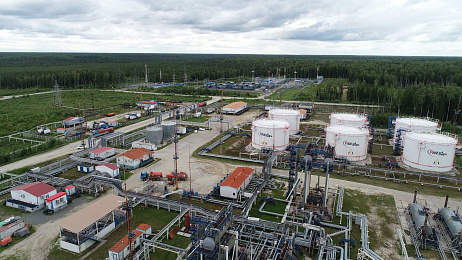
On the 26th Aug. a ceremonial opening of modern oil loading station called Zhecha of the Bryansk Branch of Moscow Railway was held. It was a joint project of the Bryansk region administration, Moscow Railway which is an affiliate of Russia’s Railways OAO and RussNeft.
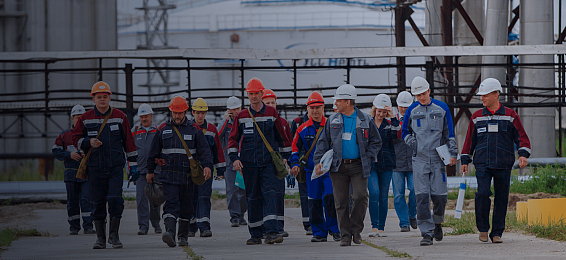
As Moscow Railway’s press service informed a Regions.ru correspondent the opening ceremony was attended by the head of Moscow Railway Vladimir Starostenko, Deputy Governor of the Bryank region Irina Chaika, Chairman of Bryansk Regional Duma Vladimir Gaidukov, Russneft President Mikhail Gutseriev, General Director of NK RussNeft-Bryansk OOO Jan Loria.
In his welcoming speech Vladimir Starostenko pointed out that all the parties involved in the construction of the facility became participants of a creative process because the merits of the oil loading system were evident. The launching of this project offers tremendous challenge for both oil and railway industries. From Zhecha to Russia’s western border there is the shortest railway haul. The project capacity is 5 million tons of crude in a year or 240 tank-cars in a day. At the same time there is an opportunity to expand the capacity to 7 million tons a year or to 350 tank-cars a day.
RussNeft President Mikhail Gutseriev thanked Moscow Railway for efficient and well-organized performance. As was agreed between the parties the oil loading station was constructed within the shortest possible time, it took only nine months.
Moscow Railway rehabilitated the railway tracks at the stations of Unecha and Zhecha including the span between them.
Six acceptance and shipment railway tracks have been laid; new on-site buildings constructed, an electric power plant, interlocking, blocking and communication devices set up, allotment of land done and technical requirements on power supply met. The station has been renewed technically and esthetically in compliance with the rail freightage transit technology for oil products.
The start-up of the oil loading complex at the station of Zhecha will allow to significantly expand Russia’s export volumes and create own promising transport capacities.